Feeding tips for horses with ulcers
Symptoms of ulcers in horses
Ulcers can be difficult to detect because horses often show subtle signs of discomfort. Common symptoms include:
Decreased appetite: The horse eats less than usual or avoids certain feeds.
Weight loss: Unexplained weight loss may be a sign.
Colic: Recurring mild colic may indicate ulcers.
Changed behavior: Horses may become irritable, apathetic, or show signs of discomfort when the saddle is placed on.
Poor coat: A dull and rough coat can also be a sign.
Decreased performance: Reduced stamina and reluctance to work may be related to ulcers.
Treatment of ulcers in horses
Treatment for ulcers in horses often involves a combination of medical treatment and changes in feeding and management. Examples of treatment methods include:
Medications
Proton pump inhibitors: Omeprazole is typically the first choice for reducing stomach acid production.
Mucosal protectants: Sucralfate helps protect the stomach lining.
Feed and supplements for ulcers
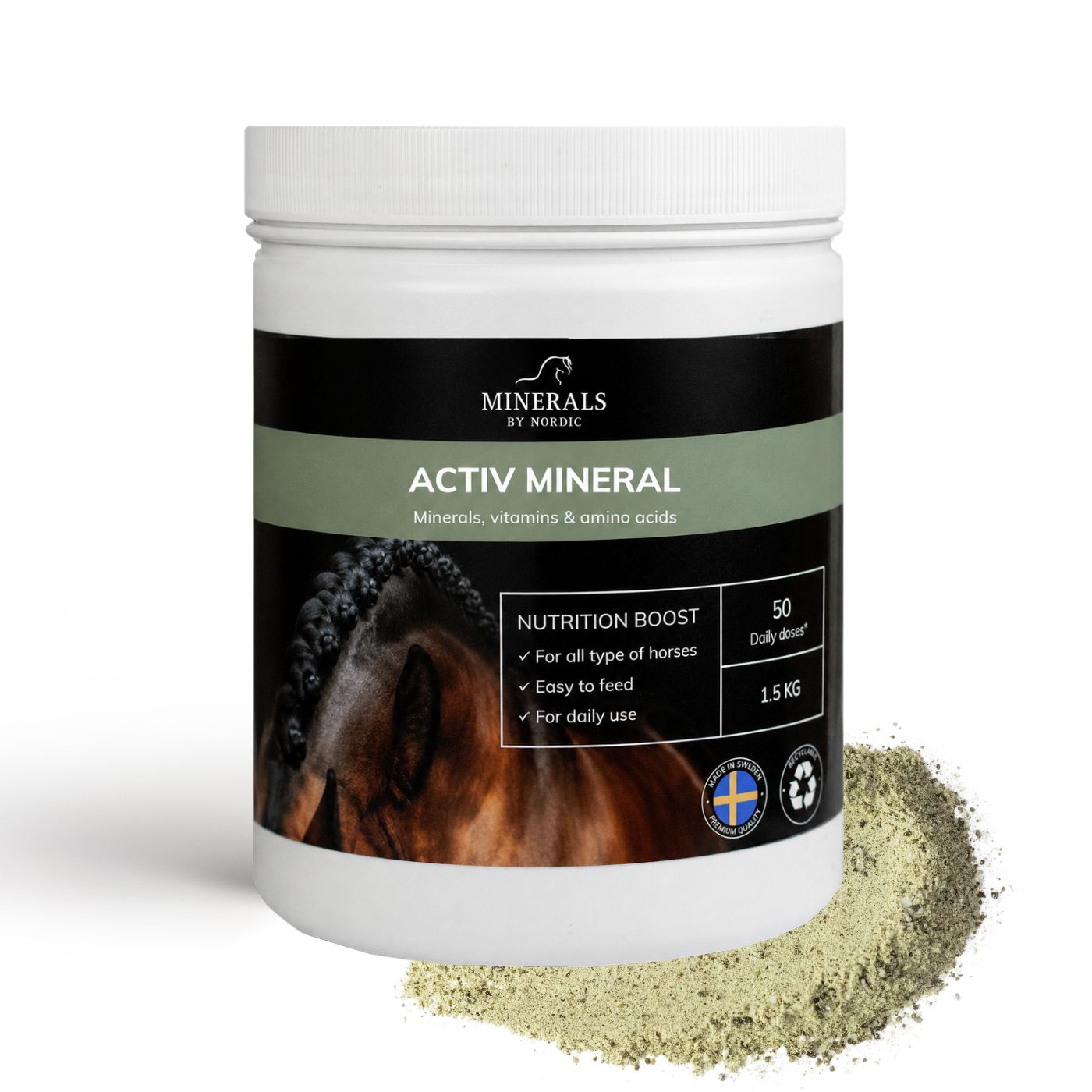
Adding the right supplements can help support horses with a sensitive stomach. Here are some supplements that may be beneficial:
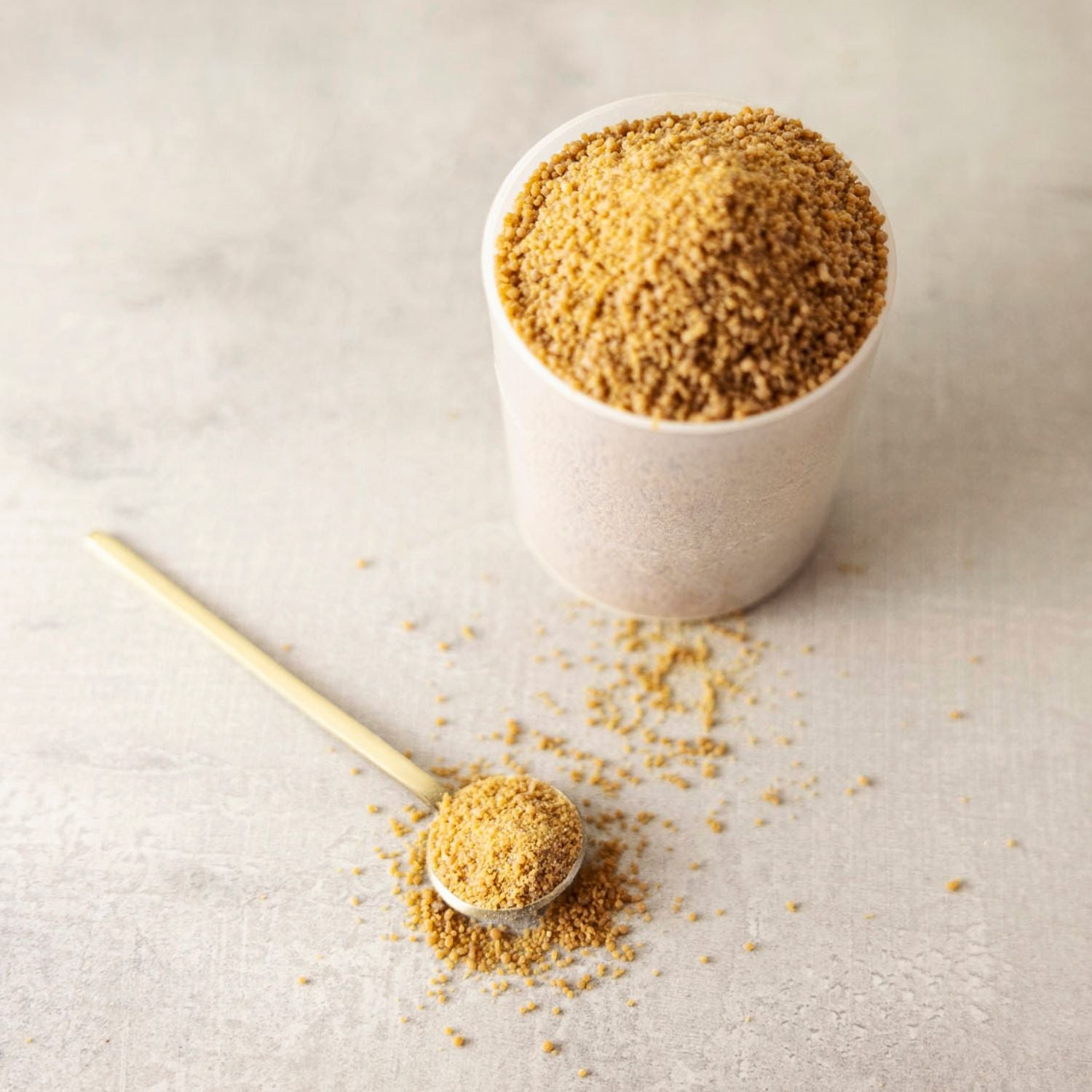
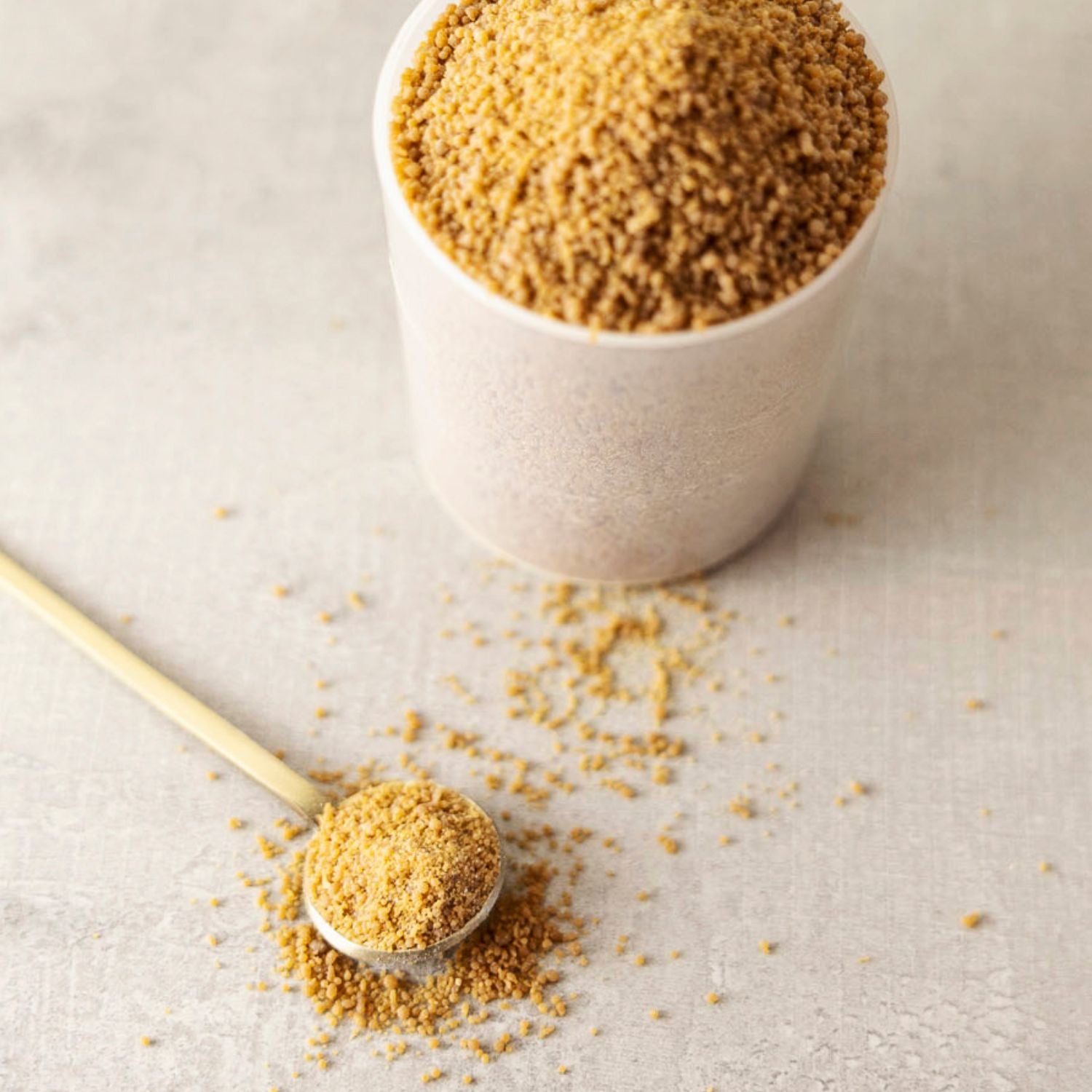
Prebiotics: Promote a healthy gut flora, e.g., Pur.Mash.
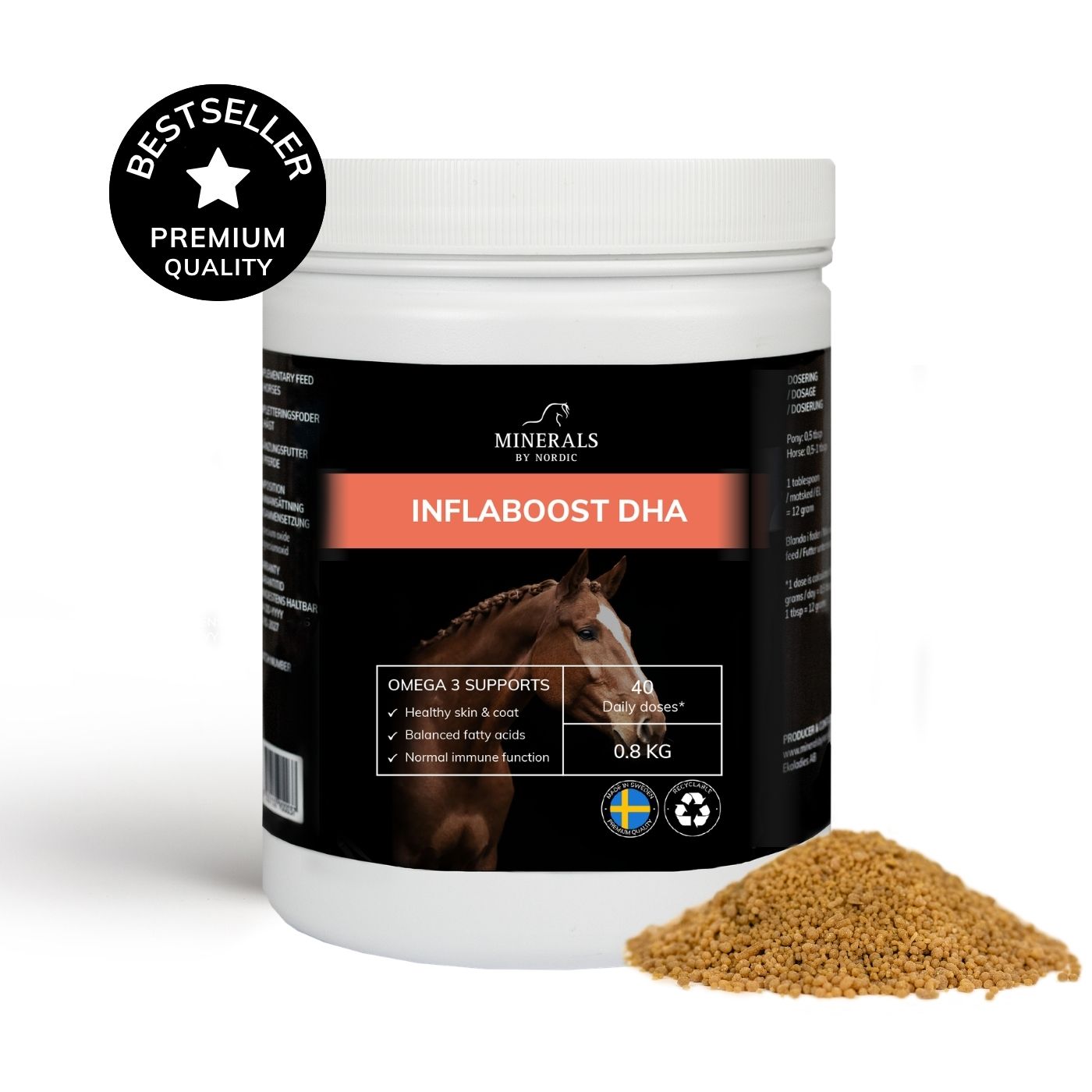
Omega-3 fatty acids: Have anti-inflammatory properties that can help reduce inflammation in the gastrointestinal tract.
Avoid grains
Reducing grains for horses with ulcers and a sensitive stomach can be beneficial:
Reduced stomach acid production: Grains can increase stomach acid production and worsen ulcers.
Lower risk of fermentation: Grains can cause gas formation and colic.
Reduced pressure on the mucosa: Grains can increase pressure and irritate an already sensitive stomach.
Preventive measures against ulcers
To reduce the risk of ulcers, it is important to take preventive measures:
Regular meals: Feed often and in small amounts to avoid long periods without food.
Roughage: Provide access to hay or grass to stimulate saliva production.
Minimize stress: Ensure the horse has a calm and stable environment.
Avoid large amounts of grains: Grains can increase stomach acid production.
FAQ: Ulcers in horses
How do I know if my horse has ulcers?
Symptoms include decreased appetite, weight loss, mild colic, and behavioral changes. Consult a veterinarian for an accurate diagnosis.
What feed can help with ulcers?
Roughage such as hay and haylage, along with supplements like Pur.Mash and omega-3, are good options.